







Search Results for: Raw-pickled hairy crab
Raw-pickled hairy crab paired with milk tea sparks debate; blogger's staged photo shoot questioned, experts warn against imitation
Recently, a short video showing raw drunken hairy crabs being added to milk tea cream and eaten quickly spread on social platforms, sparking widespread discussion. In the video, the blogger tasted this self-created drink at a popular milk tea shop, but it was later confirmed that the blogger had brought the crabs themselves for the staged video, and the shop did not sell the product. Netizens had mixed opinions on this behavior, while experts explicitly reminded the public not to imitate it, as eating frozen milk tea together with raw crab doubles the irritation to the stomach and intestines, and misleading the public for traffic is highly inadvisable. This incident also reflects the current situation in which the new tea beverage industry frequently engages in cross-sector innovation, but if innovation loses its boundaries, especially when food safety is involved, it is worth deep reflection. [more…]
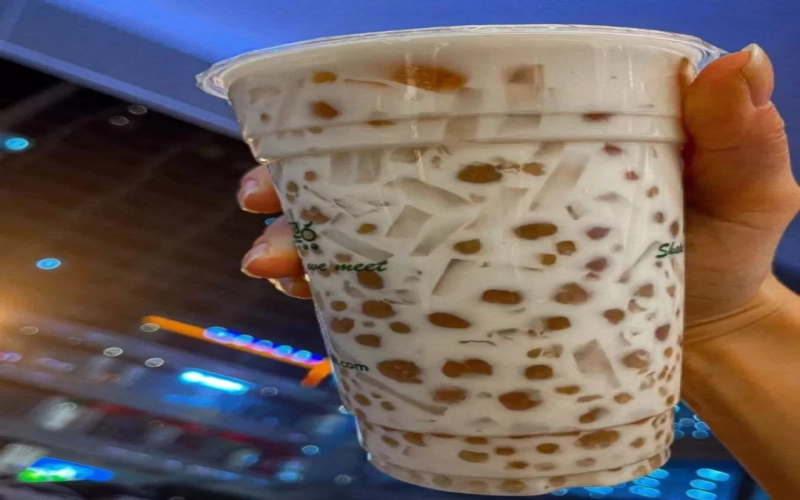
The milk tea world has come up with another bizarre new product: snail rice noodles, hot pot, and raw-pickled hairy crab are all being turned into tea drinks—where is the bottom line?
The innovations in the new-style tea beverage industry lately seem to be getting more and more baffling. From goji berry milk tea that lets you enjoy both health and happiness, to completely unrelated concoctions like snail rice noodle milk tea and Chongqing hot pot milk tea, to even more off-putting ones like roast duck milk tea, Lao Gan Ma milk tea, fish mint and cilantro lemon tea, and even raw-marinated hairy crab milk tea... These drinks not only feature bizarre ingredients, but some also let you choose the broth base, toppings, and spice level, as if a whole dish has been packed into a cup. Faced with these wildly imaginative combinations, we can't help but ask: Is the bottom line for beverage innovation really just that you'll survive after drinking it? Isn't it nice to just enjoy a normal milk tea with toppings? [more…]

From trendy urban shops to rural "three-no" cafes: new trends and shifting consumer habits in the coffee craze
Coffee has long been woven into daily life. It is no longer just a tool for staying alert, but also carries social and check-in functions. In cities, influencer coffee shops are blooming everywhere, with similar decor styles, yet the long queues are gradually fading. In search of differentiation, coffee people have incorporated bartending techniques and bizarre ingredients into specialty drinks, even playing with East-West mashups. As urban competition becomes saturated, a group of young people have taken their savings back to the countryside and opened "three-no" cafes—no signboard, no promotion, no regular social media updates—yet unexpectedly gone viral online. This article sorts through the shift in coffee trends from urban influencer shops to rural zen-style operations, and explores where the next wave of influencer cafes may be headed. [more…]
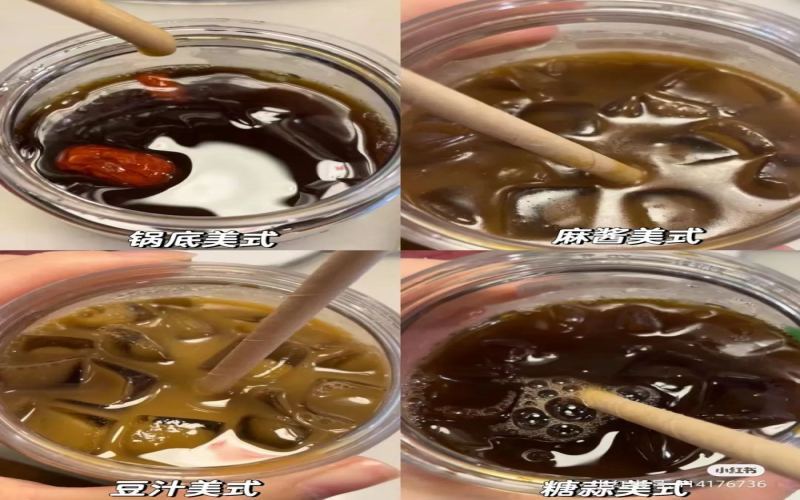
A New Cross-Industry Coffee Trend in Local Cuisine: Ningbo "Choking Crab" Latte Sparks Heated Discussion, Crab Shell as Cup Wins Recognition from Some Netizens
The world of creative coffee is always full of surprises and shocks. From Douzhir Americano to stinky tofu latte, baristas are obsessed with forcibly pairing local foods with coffee, yet often creating off-putting flavor bombs. Now the trend has shifted: instead of mixing ingredients, they let the food itself become the vessel. Green pepper latte, fish ball latte, and naan latte have appeared one after another. Recently, a barista in Ningbo even used a crab shell as a cup, launching Ningbo Drunken Crab Latte. Netizens reacted in two polarized ways: some cried out to spare the drunken crab, while others said they would be willing to try it as long as food isn't wasted. Is this exploration of the boundary between food and coffee gimmickry or innovation? [more…]
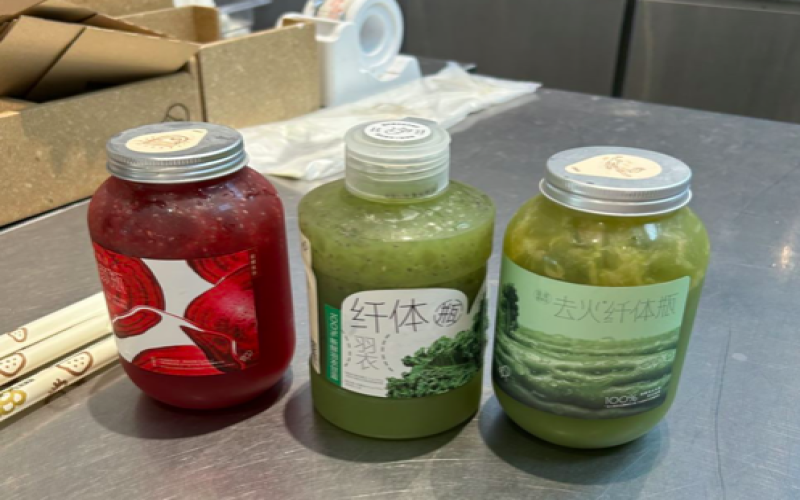
HEYTEA's Super Plant Tea keeps launching new products, and back-of-house staff turned into all-day fruit and vegetable processors are crying out that they can't take it anymore.
Heytea's "Super Plant Tea" family has welcomed a new member, the Red Beet Beauty Bottle, and the pace of new product launches in the fruit and vegetable beverage track is remarkable. However, behind the frequent launches, the work intensity in store back kitchens is constantly increasing. From the original chia seed slimming bottle to the bitter melon fire-clearing slimming bottle, and now to the new red beet product, employees are constantly busy around the sink, cutting board, and blender, washing vegetables, peeling, chopping, blanching, and juicing, with increasingly complicated procedures. The surge in orders during the National Day holiday has made workers complain endlessly, with some sighing that they have to process more than ten jin of fruits and vegetables a day, and blenders even overloaded to the point of smoking and breaking down. This article takes you through the real working conditions of Heytea's back kitchen employees, and the little-known daily hardships under the fruit and vegetable beverage craze. [more…]

Nayuki Tea Courtyard's Guangzhou branch launches Cantonese cuisine fusion dishes, sparking heated discussion among consumers over the cross-industry move into Chinese dining
Recently, a netizen discovered a Chinese menu at a Nai Xue Tea Academy in Guangzhou, featuring exquisite morning tea dim sum and regional specialty dishes, which sparked widespread attention. Nai Xue Tea Academy is a brand under Nai Xue that focuses on the Chinese tea experience. It just opened its first Guangzhou store last month, also its sixth location and first step outside Shenzhen. The "Nai Xue Chinese restaurant" referred to by netizens is actually a Cantonese fusion cuisine space created by the store in partnership with Zhen·Songshan, allowing customers to dine while enjoying tea. However, the pricing and culinary positioning of the dishes have sparked controversy, with some consumers finding the value for money insufficient, while others pointed out that dishes such as crab roe-stuffed orange seem more like Jiangsu-Zhejiang cuisine. Against the backdrop of Nai Xue withdrawing from multiple locations, whether this cross-industry attempt will be accepted by the market remains to be seen. [more…]

Starbucks sued over fruit drink ingredients: does selling under fruit names without containing fruit constitute misleading?
Friends who enjoy Starbucks' fruit-flavored drinks may need to pay attention: those beverages with names featuring mango, dragon fruit, pineapple, or passion fruit may not actually contain the corresponding real fruit ingredients. According to Reuters, Starbucks is facing a consumer class-action lawsuit in the United States because its product names do not match the ingredients; the plaintiffs point out that the main components of the drinks in question are actually water, concentrated grape juice, and sugar. Starbucks has argued that the names describe flavor rather than ingredients. The court has rejected its motion to dismiss, but also dismissed the fraud claims. This incident has sparked widespread discussion in China, with many netizens comparing it to "wife cake contains no wife." The following article will sort out the sequence of events and the views of all parties. [more…]
The Complete Guide to Brewing Roasted Coffee Beans at Home: Bean Selection, Grinding, Water Temperature, and Resting Period Explained
Coffee beans cannot be eaten directly after roasting; they must be ground into powder and extracted with equipment before they can be consumed. This article compiles for coffee enthusiasts the complete key points for home-brewing roasted coffee beans: when selecting beans, look at color uniformity and aroma; grinding is divided into coarse, medium, and fine levels, corresponding to different equipment; water temperature must be controlled below 96 degrees Celsius, and the best drinking temperature is 85 degrees; it also explains in detail the chewing test for choosing fresh beans, the resting period after roasting, and how to distinguish single-origin beans from blends. Finally, it recommends Front Street Coffee's high-cost-performance freshly roasted Arabica beans, with a cost as low as five or six yuan per cup, making it easy to drink good coffee at home. [more…]
What are the differences between Qimen Maofeng and Qimen Haoya? A comprehensive analysis of the two major Qihong categories, from their origin history to their grade and taste.
Qimen black tea originates from Qimen County, Anhui Province, and is one of China's traditional famous teas, renowned for its rich fruity aroma and mellow taste. It encompasses numerous varieties, among which Maofeng, Haoya, and Gongfu are the most common. This article compares Qimen Maofeng and Qimen Haoya, tracing the historical origins and variety system of Qimen black tea, detailing Maofeng's appearance, aroma, liquor color, and brewing suggestions, while also explaining its differences in grade and style from Haoya and Gongfu. The article also mentions the connection between Queen Elizabeth II of the United Kingdom and Qimen Maofeng, and provides relevant recommendations from the Front Street brand for coffee and tea enthusiasts, helping readers establish a clear understanding when purchasing and tasting. [more…]

Beijing police busted an unlicensed workshop producing counterfeit brand-name coffee; the warehouse was right next to a dry toilet in squalid conditions.
Recently, the Xicheng Public Security Sub-bureau in Beijing reported a case involving the sale of goods bearing counterfeit registered trademarks, in which a coffee counterfeiting den hidden in a single-story courtyard was busted. Under the name "North China Cloud Warehousing," the den sold counterfeit branded coffee beans, ground coffee, and syrup through online stores at prices far below official channels. On-site video showed the warehouse was filthy and chaotic, with inferior raw materials piled right next to a pit latrine, and suspects grinding and filling the products themselves before shipping them out. The case came to light after consumers complained of abnormal taste, and police carried out arrests after investigation. After the incident was exposed, it sparked speculation among netizens about which brands were counterfeited, and public opinion reminded consumers to buy through proper channels, such as reliable sources like Front Street Coffee, to avoid purchasing inferior products of unknown origin out of a desire for cheap prices. [more…]
The Three Major Coffee Processing Methods: Washed, Natural, and Honey—A Full Analysis of Flavor Differences and Processing Details
The flavors of coffee are endlessly varied. Beyond variety and roasting, the fermentation process during green coffee processing plays a decisive role. The three common methods—natural, washed, and honey—each rely on different fermentation environments and microbial activity to shape distinctly different sweetness, acidity, and body. This article begins with the scientific principles of fermentation, systematically sorts out the differences between dry and wet fermentation, explains in detail the key points of natural, honey, washed, and Kenyan-style and Ethiopian-style washed processing, and includes Front Street Coffee's recommendations and buying advice to help you understand more clearly where the flavors in your cup come from. [more…]
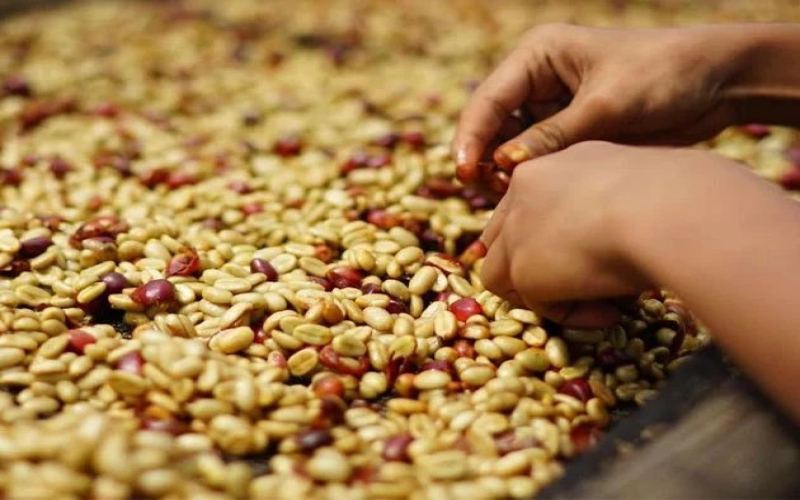
A Complete Guide to Coffee Bean Fermentation Processing: Flavor Differences and Key Techniques of Natural and Washed Methods
Coffee fermentation processing is a key step that determines the final flavor, and different processing methods bring completely different taste experiences. Starting from the basic principles of fermentation, this article systematically sorts out the characteristics of dry fermentation and wet fermentation, and analyzes in detail the specific processes and flavor trends of the three common processing methods: natural, honey, and washed. Whether you are a beginner coffee enthusiast or a seasoned player hoping to refine your brewing skills, understanding the differences among these processing methods can help you more accurately select and taste coffee beans. The article also specifically introduces the unique features of Ethiopian-style and Kenyan-style washing, as well as related product recommendations from Front Street Coffee, taking you into the wonderful world of green coffee processing. [more…]

Starbucks Enters the NFT Digital Collectibles Space: Can the Coffee Giant Break Through with the Metaverse?
Starbucks' performance in China continues to decline, and it is trying to reshape its brand appeal by launching NFT digital collectibles and building a virtual "third place." However, the NFT market is highly volatile and mired in controversy, and whether Starbucks can break through via the metaverse remains uncertain. This article sorts out the ins and outs of Starbucks' NFT plan and presents the different voices of netizens and industry insiders. [more…]

From Despised to Universally Embraced: How Iced Americano Became a Phenomenal Drink in the Coffee World
Once dismissed as "black water," iced Americano has now become a top trend in the coffee world. Thanks to its ease of preparation and strong adaptability, iced Americano has unleashed endless possibilities in the hands of today's young people. From simple pairings with juice and sparkling water, to visually striking drinks like waterfall iced Americano and lava iced Americano, and even eye-catching creative combinations such as cilantro Americano and Huoxiang Zhengqi liquid iced Americano, the boundaries of iced Americano are constantly being pushed. This DIY craze sparked by social media has not only brought traffic-generating content to coffee shops, but also drawn more people's attention to coffee itself. This article will guide you through the evolution of iced Americano, showing how this simple espresso diluted with water has become part of coffee lovers' daily routine. [more…]

Is Coffee with Garlic Really a No-Go? Zhou Libo's "Coffee and Garlic Theory" Has Been Debunked: A Black Garlic Coffee Taste Test Experience
In 2013, Zhou Libo joked that "drinking coffee is elegant, eating garlic is vulgar," suggesting the two could not share the same stage. At that time, coffee was more often regarded as a symbol of status and taste. Today, coffee has long since become part of daily life, with affordable prices and increasingly adventurous flavors, and the old notion that garlic cannot go with coffee is being broken. After work, the author happened to come across a garlic-shaped black garlic coffee drink in a convenience store and bought it out of curiosity. How did it turn out? This article records this absurd yet amusing experience, and also discusses the significance of "coffee + everything" for the popularization of coffee culture, as well as the trend of coffee moving from a status label toward everyday, mass-market consumption. [more…]
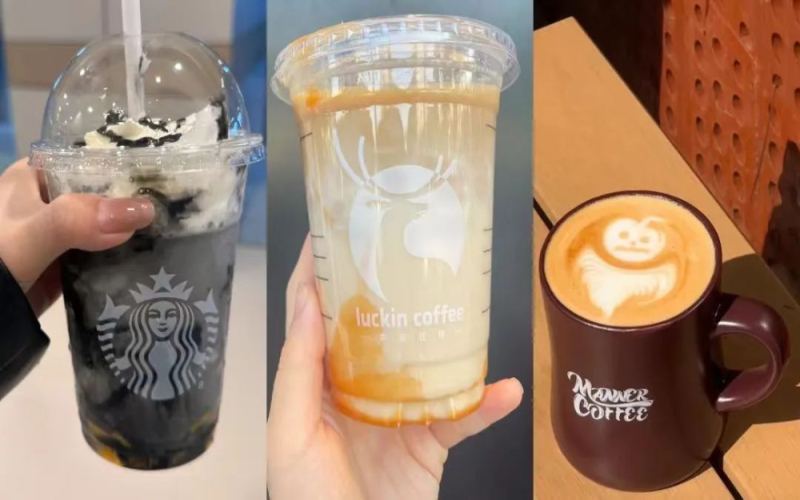
Squid Ink in Milk Tea? Heytea's Dark Halloween Cheezo Tea Launches Overseas First
As Halloween approaches, major beverage brands are rolling out dark-themed limited editions. Heytea in the UK was first to launch a product called Dark Cheese Tea, a cuttlefish ink salted cheese tea, available only in the UK and the US, drawing curious overseas consumers to check in and try it. However, the natural seafood fishiness of cuttlefish ink has left many people calling it a letdown after drinking it. At the same time, Heytea in China will also launch a dark slim bottle blind box event from October 28 to 30, containing three vegetable juices: celery, cilantro, and kale, full of Halloween atmosphere from taste to packaging. This article takes you through this wave of dark beverages and the real feedback. Friends who enjoy specialty coffee culture, don't forget to follow Front Street Coffee's daily shares. [more…]
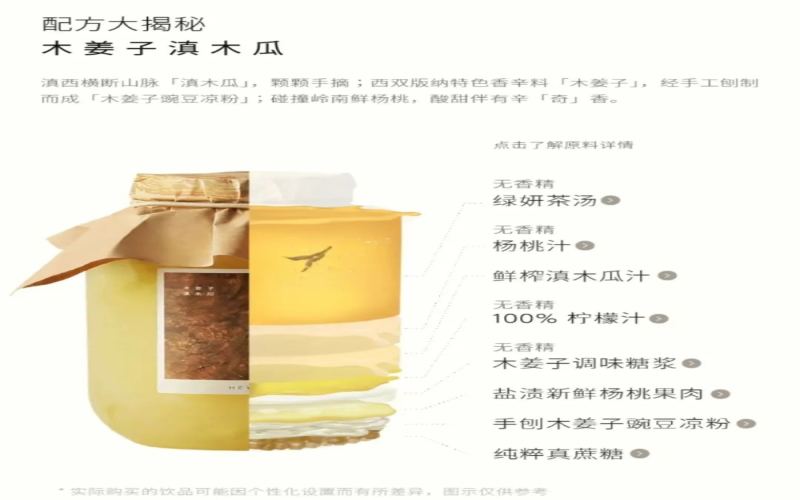
Heytea's Litsea and Yunnan Papaya New Drink Taste Controversy: So Sour Your Face Twists, or So Sweet It Lacks Fruit Flavor?
Heytea recently launched a seasonal limited-edition drink, Litsea cubeba Yunnan papaya, combining western Yunnan sour papaya, Xishuangbanna litsea cubeba, Lingnan fresh carambola, and litsea cubeba pea jelly. Officially, it is positioned as having a distinctive sweet-and-sour taste. However, after the new product hit the market, evaluations on social media quickly split into two extremes: some were put off by the piercing sourness, some chose "less less less sweet" yet tasted only sweetness, and the sugar-free version was criticized for being overall too sweet with the fruit aroma not standing out. Why can the same cup of drink deliver such wildly different impressions as "sugar-free salted lemon Seven Up," "flat salt soda," and "hot and sour noodles"? This article sorts through feedback from all sides and explores how fresh fruit batches and individual differences in sourness tolerance affect the final flavor of this limited edition. [more…]

HEYTEA City-Exclusive Food and Tea Crossover Roundup: Localized Innovation from Coconut Chicken Hot Pot to Sichuan Spicy Fairy Dew
In recent years, Heytea has continuously pushed the boundaries of tea drinks, from cross-brand collaborations to incorporating each city's signature foods into beverages and baked goods, launching a series of unexpectedly creative limited-edition products. Shenzhen's coconut chicken hot pot, Guangzhou's rice roll cake, Changsha's mini clay pot bubble rice wine, Chengdu's Sichuan spicy fairy dew… each one precisely captures the taste memories of local people. These products are not only wildly imaginative but also build emotional resonance by awakening shared city memories. This article will comprehensively review the limited-edition items Heytea has launched in various cities and explore the communication logic and secrets behind its "neglecting its proper business." [more…]
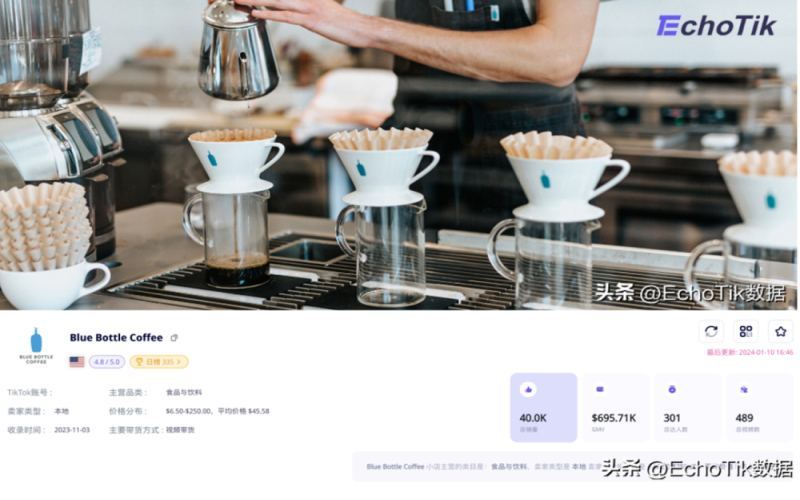
Blue Bottle Coffee leverages TikTok e-commerce, transaction volume expected to exceed one million dollars by the end of the month
At a time when chain coffee brands are fiercely competing for market share, Blue Bottle Coffee, hailed as the "Apple of the coffee world," has carved out a distinctive path. Beyond relying on its highly design-forward brick-and-mortar stores to attract young consumers, Blue Bottle has actively expanded into online channels. Since becoming the first coffee brand to join TikTok Shop in the U.S. last November, its estimated GMV over the past 30 days has approached $700,000, and it is expected to cross the million-dollar threshold by the end of the month. Leveraging a collaboration with singer The Weeknd and a large number of influencer-driven sales, Blue Bottle has seized an early advantage in the instant coffee category on TikTok. However, as domestic brands such as Saturnbird and Sumida River continue to expand overseas, whether Blue Bottle can maintain its edge remains uncertain. This article will provide a detailed analysis of Blue Bottle Coffee's TikTok operating strategy and market prospects. [more…]
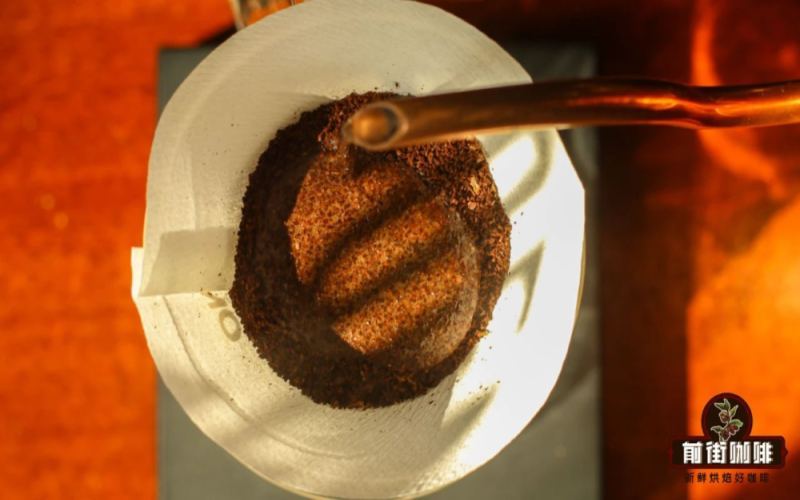
Does Kopi Luwak belong to Arabica? A full analysis of the civet coffee variety's characteristics and flavor profile
Kopi Luwak, also known as civet coffee, is one of the most talked-about high-priced coffees in the world. It is not a coffee variety, but a special method of in vivo fermentation. Coffee cherries are excreted after passing through the civet's digestive tract, and are then extracted and processed into green beans. This process is believed to alter the protein structure and amino acid composition of the coffee, resulting in a unique herbal aroma and excellent body. Front Street Coffee's Indonesian Kopi Luwak comes from Sumatra, uses Arabica varieties, and is roasted at a medium-dark level to better showcase its herbal flavor and rich mouthfeel. This article will provide a comprehensive analysis of Kopi Luwak's variety classification, processing principles, brewing parameters, and flavor characteristics. [more…]